
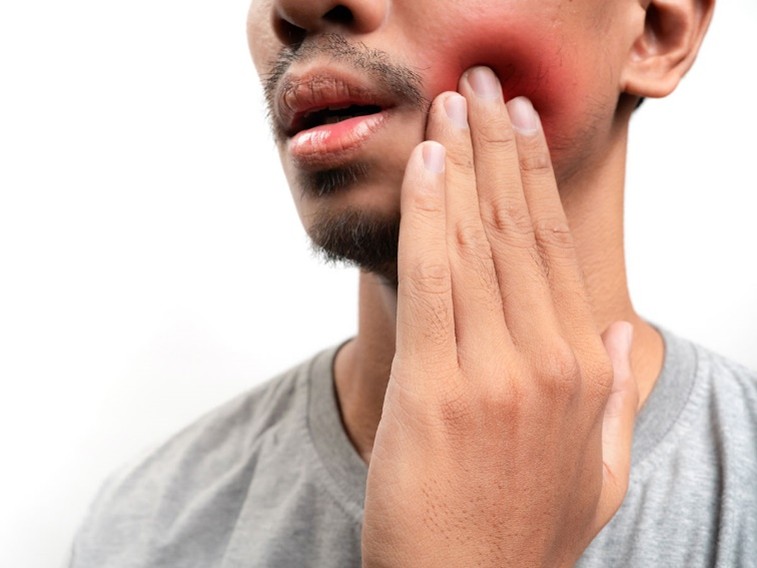
TMJ Treatment Hemet patients ask about may help evaluate jaw pain, clicking, tightness, headaches, bite discomfort, or symptoms linked to grinding and clenching. TMJ concerns can involve the jaw joints, chewing muscles, teeth, bite patterns, and daily habits. In Hemet, dental evaluation may include checking jaw movement, tooth wear, bite pressure, restorations, and signs of clenching before treatment options are discussed. Care depends on the cause and severity of symptoms.
Jaw discomfort can be hard to describe. Some patients feel clicked when opening wide. Others wake up with tight muscles, headaches, sore teeth, or a bite that feels slightly off. In Hemet, these symptoms may lead patients to wonder whether the jaw joints, teeth, or bites are involved.
Patients searching for TMJ Treatment Hemet often want to know what is causing the discomfort and whether dental care may help. TMJ concerns can have more than one cause, including muscle tension, clenching, grinding, bite pressure, stress habits, injury, or joint changes. A careful evaluation can help identify which factors may be contributing before any treatment is recommended.
What TMJ Means
TMJ stands for the temporomandibular joint. These joints connect the lower jaw to the skull and help the mouth open, close, chew, speak, and move side to side. When the joints or surrounding muscles become irritated, patients may notice pain, stiffness, clicking, or limited movement.
TMJ symptoms may not always come from the joint alone. Teeth, bite pressure, muscles, posture, stress, and habits can all play a role.
Because symptoms can overlap, a dental exam helps narrow the possible causes. The goal is not to guess, but to understand the pattern.
Common Signs Patients Notice
TMJ-related symptoms may include jaw pain, clicking, popping, tightness, headaches, facial soreness, ear-area discomfort, or pain while chewing. Some patients notice that their jaw feels tired after meals.
Other signs may appear in the teeth. Grinding and clenching can wear enamel, flatten biting edges, crack teeth, or make teeth feel sore in the morning.
A patient may also notice that the bite feels different. This can happen because of muscle tightness, tooth wear, shifting teeth, or changes in jaw position.
How Grinding and Clenching Affect the Jaw
Grinding and clenching can place heavy pressure on teeth, muscles, and jaw joints. Some people clench during the day without realizing it. Others grind during sleep and only learn about it when symptoms or tooth wear appear.
Signs may include worn teeth, chipped edges, tight jaw muscles, morning headaches, tooth sensitivity, or soreness near the temples. These signs do not always prove a TMJ disorder, but they are important clues.
A dental evaluation can help identify whether tooth wear, bite pressure, or muscle strain may be contributing to discomfort.
Why Bite Balance Matters
The way teeth meet can affect jaw comfort. If certain teeth take more pressure than others, muscles may work harder to find a comfortable position.
Old fillings, crowns, missing teeth, tooth wear, or shifting teeth can change bite contact over time. A bite that feels high, uneven, or strained should be checked.
Dental Crowns Hemet, CA patients receive may sometimes need bite adjustment if a crown feels too high or changes how teeth meet. A small change in bite contact can sometimes feel noticeable.
How Clear Aligners May Fit Some Bite Concerns
Clear Correct Aligners Hemet patients consider may help with mild to moderate tooth alignment concerns. If crowding, spacing, or tooth position contributes to bite strain, aligners may be discussed after evaluation.
Clear aligners are not a direct treatment for every TMJ concern. They move teeth, and their role depends on whether tooth position is part of the problem.
Some jaw symptoms come mainly from muscle tension or clenching, while others may involve bite relationships. Your dentist can explain whether alignment should be part of the conversation.
What Dental Evaluation May Include
A Dentist Hemet evaluation for jaw discomfort may include checking jaw movement, jaw sounds, muscle tenderness, tooth wear, bite contacts, and existing dental work. The dentist may ask when symptoms happen and what makes them worse.
Patients may be asked about grinding, clenching, stress, sleep habits, headaches, injury history, and chewing discomfort. These details can help identify patterns.
At David D. May, DDS, a TMJ-related discussion may include reviewing the teeth, bite, muscles, and jaw movement before care options are considered. This helps patients understand which factors may be involved.
Ways TMJ Care May Help Daily Comfort
TMJ care may help when the contributing factors are identified and managed. The plan may vary from patient to patient.
TMJ-focused dental care may help with:
- Understanding the source of jaw discomfort
- Checking for grinding or clenching signs
- Evaluating tooth wear and bite pressure
- Reviewing existing restorations
- Discussing protective appliances when appropriate
- Identifying habits that strain the jaw
- Planning follow-up if symptoms change
- These benefits depend on the cause of symptoms, patient habits, oral health, and response to care.
What to Expect at a TMJ Appointment
The appointment usually begins with questions about symptoms. Your dentist may ask where the pain is, when it starts, whether clicking occurs, and whether chewing makes it worse.
The exam may include checking jaw movement, muscle tenderness, bite pressure, tooth wear, and existing dental work. X-rays or referrals may be discussed depending on symptoms and findings.
After the evaluation, the dentist may explain possible causes and next steps. Care may include habit changes, bite evaluation, appliance discussion, restoration adjustments, aligner discussion, or referral when needed.
Daily Habits That May Reduce Jaw Strain
Some habits can make jaw discomfort worse. Chewing gum often, biting fingernails, clenching during focus, or resting the chin on the hand may strain muscles.
Soft foods may feel easier during flare-ups, but long-term diet changes should be discussed with a provider if symptoms continue. Gentle awareness of jaw positions can also help some patients reduce daytime clenching.
Patients should seek evaluation if symptoms are severe, worsening, linked to injury, or causing limited opening. Jaw locking or major bite changes should be checked promptly.
Local Patient Review
“I had jaw clicking and morning soreness but did not know if my teeth were involved. The visit helped explain what signs were being checked.”
A Calmer Way to Understand Jaw Discomfort
Jaw pain and bite discomfort can have several causes, so the first step is a careful evaluation rather than guessing. For patients in Hemet dealing with clicking, clenching, soreness, or bite changes, David D. May, DDS can help explain which dental factors may be involved and what options may fit.
Frequently Asked Questions
What does TMJ Treatment Hemet usually involve?
TMJ care may include evaluating jaw movement, muscle tenderness, tooth wear, bite pressure, grinding signs, and habits before treatment options are discussed.
What are common TMJ symptoms?
Common symptoms include jaw pain, clicking, popping, tightness, headaches, facial soreness, tooth sensitivity, and discomfort while chewing.
Can teeth grind cause jaw pain?
Yes, grinding and clenching can strain jaw muscles and teeth. A dental exam can check for worn enamel, cracks, and bite pressure signs.
Can a crown affect my bite?
A crown that feels too high or uneven may change bite pressure. It should be checked if discomfort, soreness, or chewing changes develop.
Can clear aligners help with TMJ symptoms?
Clear aligners may help when tooth position contributes to bite strain, but they are not right for every TMJ concern. Evaluation is needed first.
Should I ignore jaw clicking if it does not hurt?
Occasional painless clicking may not always need treatment, but clicking with pain, locking, limited opening, or worsening symptoms should be evaluated.
Can stress affect TMJ discomfort?
Stress may contribute to clenching or muscle tension for some patients. Dental evaluation can help identify whether tooth wear or bite pressure is present.
When should jaw pain be checked promptly?
Jaw pain should be checked if it is severe, worsening, linked to trauma, causing locking, or making it hard to eat, speak, or open the mouth.