
If you’ve ever felt jaw pain, stiffness, or heard a clicking sound while chewing, you’re not alone. These are common signs of temporomandibular joint disorders (TMD) – conditions that affect how your jaw moves and functions. With new diagnostic tools and evidence-based treatments, modern TMJ treatment in Hemet offers more precise and comfortable ways to manage TMJ pain than ever before.
Understanding TMJ and TMD
Temporomandibular disorders (TMDs) are actually a group of conditions that create pain and problems in the jaw joint and the muscles responsible for jaw movement.
Common Symptoms of TMD
TMD can cause a variety of uncomfortable symptoms, including:
- Pain: The most frequent symptom is pain centered in the jaw joint and/or the chewing muscles.
- Widespread Discomfort: Pain or aching that spreads into the neck or face.
- Jaw Function Issues: A feeling of rigidity, restricted movement, or the jaw locking up.
- Noises: Pain, clicking, popping, or a grating sound when opening or closing your mouth.
- Ear/Head Symptoms: Dizziness, ringing in the ears (tinnitus), or a feeling of hearing loss.
- Bite Changes: Noticing a change in how your upper and lower teeth fit together (your bite).
The Modern Dental Approach to TMJ Treatment
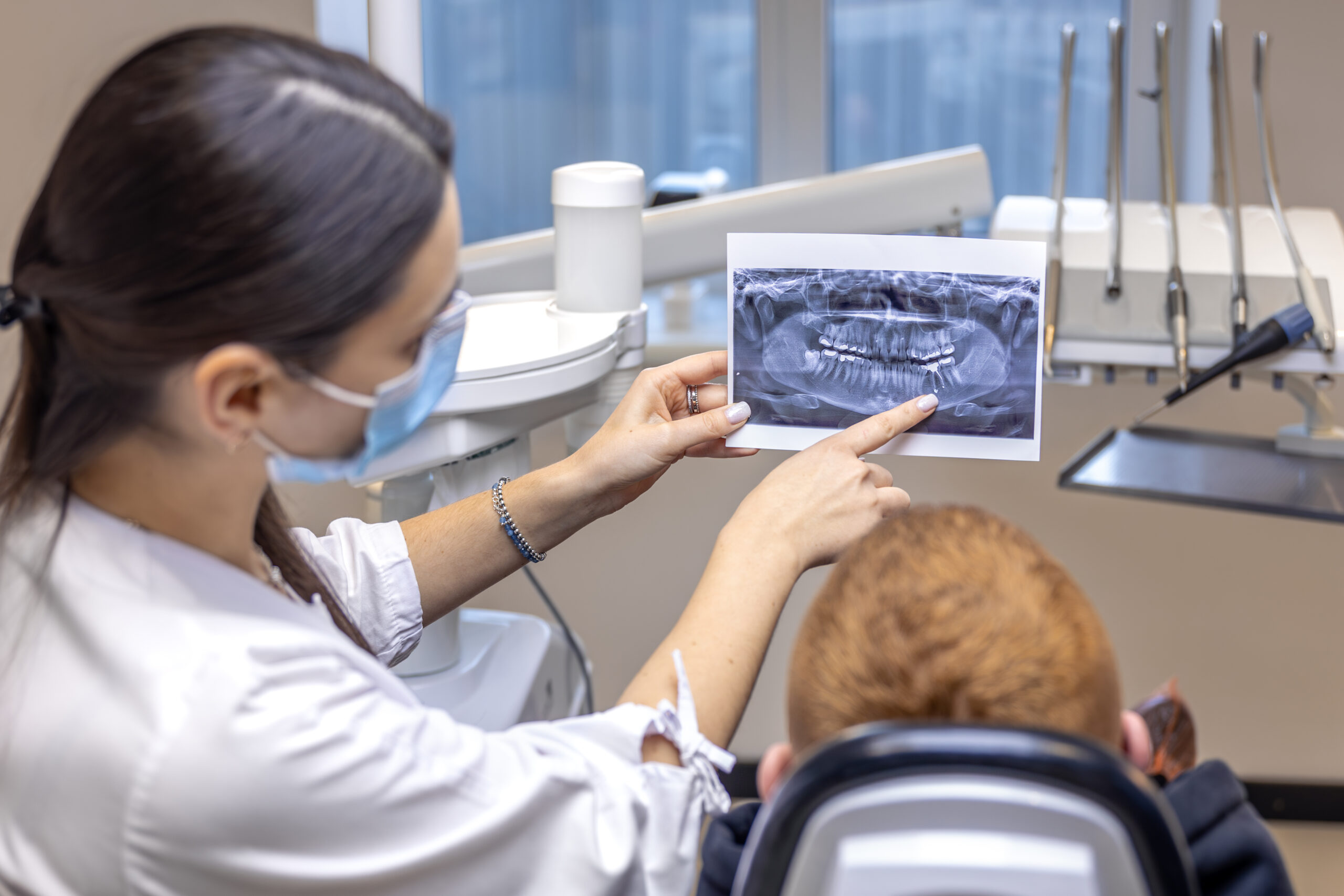
Modern TMJ treatment in Hemet focuses on identifying the root cause rather than simply easing symptoms. Our dentist will begin with a thorough consultation that may include digital imaging, jaw scans, or bite analysis to pinpoint the source of discomfort.
1. Personalized Assessments and Digital Imaging
Digital scans allow for a detailed view of your jaw structure and bite alignment. This technology helps our dentist evaluate how your teeth, muscles, and joints interact, ensuring treatment is precisely personalized to your unique anatomy.
2. Advanced Bite Balancing and Orthotic Therapy
Customized oral appliances – also known as bite splints or nightguards – are a cornerstone of TMJ treatment in Hemet. These devices help align the jaw, reduce grinding, and relieve muscle tension. Today’s appliances are designed with trusted materials for improved comfort and durability, offering patients a more natural fit and better long-term results. Ask our team about our personalized nightguards!
3. Non-Invasive Therapies and Relaxation Techniques
Dentists often combine appliance therapy with gentle stretching, guided exercises, and stress management techniques to reduce muscle strain. Many patients also benefit from physical therapy or jaw massage that complements dental treatment.
4. Targeted Relief for Inflammation
Some cases may call for medication or cold/heat therapy to ease inflammation. Our dentist will recommend a plan that fits your specific diagnosis and comfort level, often avoiding invasive procedures unless absolutely necessary.
Self-Care Between Appointments
Even with modern treatment for TMJ, small changes at home can make a big difference in comfort.
Try these dentist-approved steps while waiting for your professional evaluation:
- Jaw rest: A vital part of management is jaw rest: recognizing and stopping clenching.
- Soft diet: A tender jaw benefits from a break. Stick to soups, smoothies, and soft proteins that reduce jaw strain. Avoid hard, chewy, or crunchy foods that can strain your jaw, such as nuts, chewy candies, or crusty bread. Cutting your food into smaller pieces helps, too.
- Posture awareness: Keep your head aligned with your spine to minimize pressure on your jaw joints.
- Relaxation: Try relaxation techniques such as slow breathing, mindfulness, or gentle neck and shoulder stretches to ease muscle tightness.
- Moist heat or cold packs: Apply gently to ease muscle soreness.
These habits support your dental treatment and help protect against recurring discomfort.
Know When to Call Your Dentist Sooner
While mild jaw discomfort can often be managed with home care, certain symptoms should not be ignored. Contact your dentist right away if you notice:
- Persistent or worsening pain despite self-care.
- Jaw locking or limited movement.
- Facial swelling or fever.
- Difficulty eating, speaking, or opening your mouth.
- Recent injury to your jaw or face.
Prompt evaluation helps our dentist rule out infection, arthritis, or more serious joint issues.
About Our Practice: Our team provides comfortable, customized care for your unique oral health needs. Learn more about our customized approach and experience on our About Us page.
Local Reviews: TMJ Relief
“Had a car accident that caused TMJ, took months, but finally got my jaw aligned, and I can now chew without any pain. I was fitted with a mouth guard, and after 3 or 4 adjustments, we finally are in a happy fit.” – Lisa D.
Call our office today at (951) 305-5547 to schedule your TMJ evaluation and start feeling better – one small step at a time!
Frequently Asked Questions
Do you need surgery for TMJ?
Most people do not need surgery for TMJ dysfunction. Our trusted doctor will only consider surgical options if other, less invasive treatments have failed to provide relief. You should typically try these other treatment approaches, including a custom mouthguard, for at least three months before exploring surgery. Have questions? Call us at (951) 305-5547!
What are some TMJ symptoms?
Simple jaw sounds, such as clicking or popping without pain, are normal and typically require no treatment. Symptoms that may signal a TMD include pain in your jaw or chewing muscles, pain spreading to your face, limited or locked jaw movement, or a painful grating sound when chewing. Also watch for changes in your bite, too. Visit our TMJ Treatment page for more details!
How can I sleep comfortably with TMJ pain?
Try sleeping on your back with a supportive pillow and avoid resting your hand or jaw on one side. Relax your jaw before bed by practicing gentle stretches or deep breathing. If grinding is a problem, a custom nightguard can protect your teeth and reduce morning soreness. Book a consultation with us via our Contact so you can learn more about our personalized mouthguards!
How is one diagnosed with TMJ?
Since there is no single, standard test, identifying these complex conditions can be challenging. We will gather a detailed medical history, asking about the location, timing, and nature of your pain, as well as checking for other pain conditions. You can always call us if you’re unsure and have questions at (951) 305-5547!
Is TMJ treatment expensive?
Costs vary depending on the cause, treatment plan, and whether you need a custom appliance or further therapy. Many conservative treatments, like home exercises or minor bite adjustments, are affordable. Our dental team can outline options, customized mouthguards, and review coverage during your visit. Schedule via our New Patients page!