
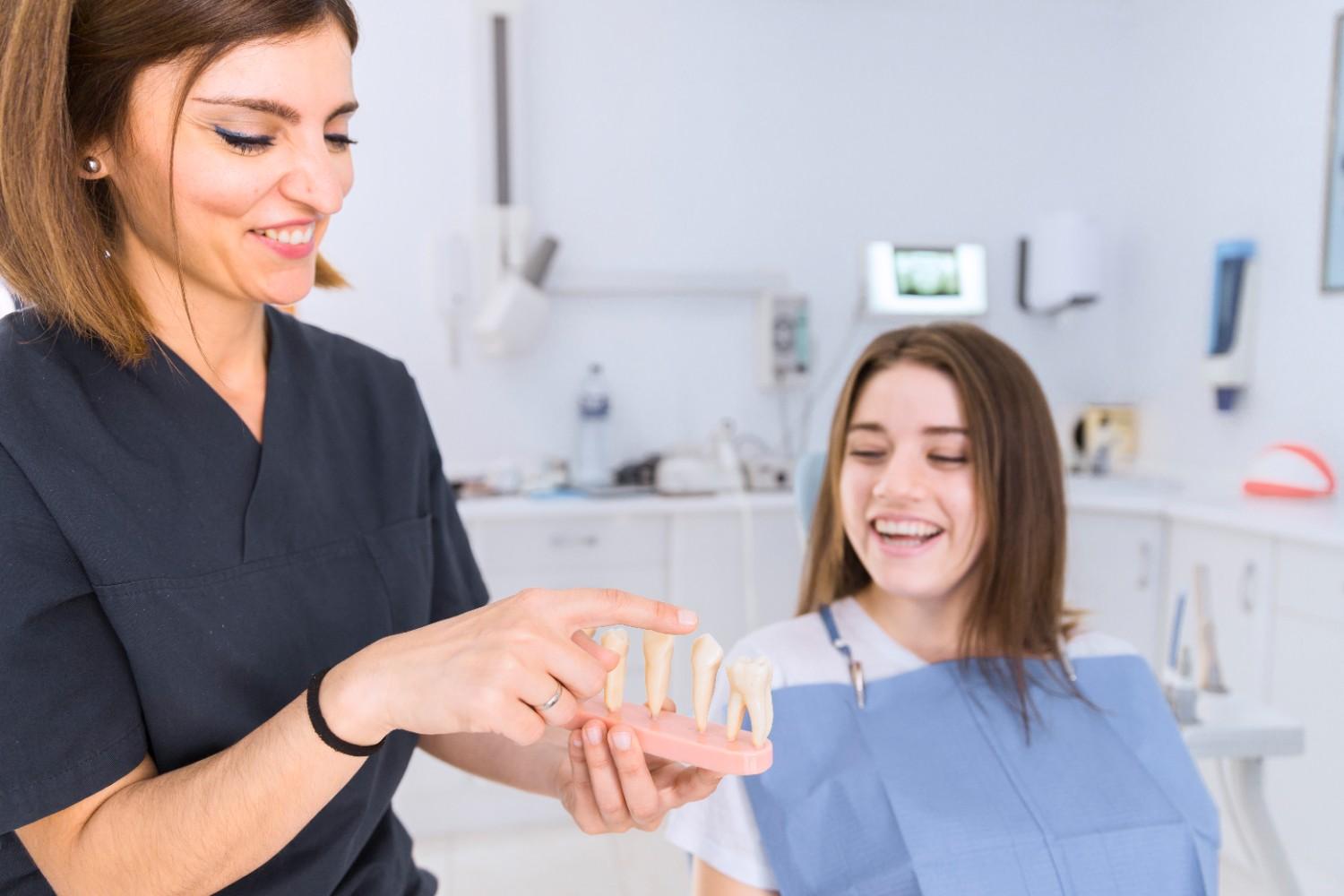
Dental implants have become one of the most dependable and natural-feeling ways to replace missing teeth. Many adults choose them because they look realistic, function like natural teeth, and support long-term oral health. At David D. May, DDS, patients often ask how long implants last and what they should do day-to-day to protect them. While implants are built from strong, durable materials, their long-term success depends heavily on how well the surrounding gums and bone are cared for.
People in Hemet appreciate the freedom implants offer—whether it’s chewing comfortably, smiling with confidence, or enjoying outdoor activities without worrying about movement or slipping. But just like natural teeth, implants need consistent care. Simple habits make a big difference in preventing inflammation, maintaining stability, and keeping the implant-supported crown looking clean. This guide explains how Hemet patients can care for their implants in a way that supports both comfort and longevity.
Understanding Dental Implant Care in Simple Terms
A dental implant is a titanium post placed in the jawbone to act like a tooth root. Once healed, it supports a custom-made crown that blends naturally with the smile. While the implant itself cannot decay, the gums around it can still develop inflammation if plaque builds up.
Implant care focuses on:
- keeping the gum tissue healthy
- supporting stable bone around the implant
- preventing infection
- cleaning the crown and hard-to-reach areas
Strong habits help protect both the implant and the tissues that support it.
Why Implant Care Matters for Hemet Patients
Daily routines, diet choices, lifestyle habits, and oral hygiene all play a role in how long implants last. Hemet residents often spend time outdoors, enjoy active lifestyles, and want treatments that keep up with their pace. Dental implants can last for many years, but only when supported with good long-term care.
Patients in Hemet choose implants because they want:
- strong chewing support
- natural-looking results
- better bone health compared to bridges or dentures
- a permanent tooth replacement solution
Caring for implants ensures these benefits remain predictable over time.
Daily Care Habits for Long-Lasting Dental Implants
1. Brush Gently and Thoroughly Twice a Day
Even though the implant crown doesn’t decay, the gumline around it must stay clean. Use a soft-bristled toothbrush to remove plaque without irritating the tissues.
Brushing helps prevent:
- gum inflammation
- buildup along the crown edges
- discomfort from trapped food
Electric toothbrushes can be helpful, as long as they’re used gently.
2. Floss Around the Implant Daily
The most common issue near implants is inflammation caused by plaque at the gumline. Daily flossing removes debris between the implant and natural teeth.
Options that work well include:
- traditional floss
- floss threaders
- implant-safe picks
- water flossers for deeper cleaning
Patients who floss consistently tend to have fewer long-term implant complications.
3. Use a Non-Alcohol Mouth Rinse
Alcohol-based rinses dry the mouth and may irritate the gums. Choosing a gentle rinse supports healthy tissues and reduces bacteria buildup.
Many patients alternate between warm saltwater rinses and everyday mouthwash for balanced care.
4. Clean Under the Implant Crown if Recommended
Some implant crowns sit slightly above the gumline, which allows special brushes or water flossers to clean underneath. Your dentist Hemet may recommend small interdental brushes for thorough cleaning.
This prevents plaque pockets from developing in hidden spaces.
Long-Term Behaviors That Support Implant Health
1. Keep Up With Regular Dental Checkups
Routine exams help your dentist monitor gum health, bone stability, and the fit of your implant crown. Even when everything feels fine, monitoring is essential because early signs of inflammation are often painless.
A typical exam includes:
- checking gum pockets
- looking for inflammation
- evaluating bite pressure
- assessing bone levels around the implant
Consistent visits are one of the strongest predictors of long-term success.
2. Avoid Chewing Extremely Hard Foods
Implants are strong, but the crowns on top can chip or crack if exposed to excessive force.
Be cautious with:
- hard nuts
- ice
- hard candy
- very crunchy snacks
Protecting the crown helps protect the implant underneath.
3. Address Teeth Grinding or Clenching
Bruxism places significant pressure on the implant. Many adults grind their teeth without realizing it, especially at night.
Your dentist may recommend:
- a custom nightguard
- Botox therapy for jaw tension
- bite adjustments if needed
Nightguards protect implants, natural teeth, and restorations.
4. Quit Smoking or Reduce Nicotine Use
Smoking reduces blood flow to the gums, slows healing, and increases long-term inflammation risk. Patients who reduce or stop smoking often see noticeable improvements around their implants.
Even gradual reduction helps protect the implant site.
5. Maintain Good General Health
Dental implants respond well when the body is healthy overall. Conditions such as diabetes, chronic dry mouth, or immune challenges need consistent management.
Balanced nutrition, hydration, and routine care all support implant success.
Post-Surgery Care: What Hemet Patients Should Expect After Implant Placement
After implant placement, the healing period is essential. Following your dentist’s instructions closely will improve osseointegration (the bonding of bone to the implant).
1. Expect Mild Swelling or Tenderness
Swelling is normal during the first few days. Cold compresses and anti-inflammatory medication help reduce discomfort.
2. Follow a Soft Food Diet Temporarily
Soft foods protect the surgical area from pressure. Options like yogurt, rice, eggs, and soups provide nutrition without stressing the implant.
You can return to regular foods once your dentist confirms healing progress.
3. Keep the Area Clean Without Disturbing It
Gentle rinsing with warm saltwater supports healing. Avoid brushing directly on the surgical site until your dentist says it’s safe.
4. Avoid Smoking During Early Healing
Smoking significantly slows bone bonding. Patients who avoid nicotine during recovery typically experience smoother healing.
5. Attend All Follow-Up Appointments
These visits allow your dentist to check healing progress and make adjustments if needed. Skipping early follow-ups can delay treatment success.
How Dental Implants Compare to Other Tooth Replacement Options
Patients exploring tooth replacement Hemet CA often want to understand the differences between implants and alternatives.
Dental Bridges
Bridges work well for certain cases but require reducing nearby teeth for support. They don’t stimulate bone the way implants do.
Dentures
Dentures are cost-effective but can move during eating or speaking. They rest on the gums rather than anchoring into bone.
Teeth-in-a-Day Hemet CA
This option provides immediate restoration for qualifying patients. While convenient, it still requires consistent care and follow-up appointments.
Why Many Hemet Adults Choose Implants
- strongest chewing support
- closest feel to natural teeth
- excellent long-term stability
- protection against bone loss
- improved confidence and speech
These features make implants one of the most reliable solutions in modern dentistry.
A Note From a Hemet Patient
“I waited years before getting implants because I wasn’t sure how hard they would be to maintain. Once I learned the routine, everything felt simple. They look natural, feel strong, and I barely think about them day to day.”
FAQs About Maintaining Dental Implants in Hemet
How long can dental implants last with proper care?
Dental implants can last for decades when maintained consistently. The implant itself is designed to be long-term, but the gums and bone around it require healthy habits. Patients who brush, floss, and attend routine exams often enjoy stable, comfortable implants for many years.
Do implants need special cleaning compared to natural teeth?
Implants require similar care to natural teeth, but the gumline around them needs extra attention. Using floss or interdental brushes helps remove plaque in areas that regular brushing may miss. Your dentist Hemet can recommend specific tools based on the implant’s position.
What signs indicate a problem around an implant?
Redness, swelling, bleeding, or tenderness around the implant can signal irritation. Changes in bite comfort or a feeling of looseness should also be evaluated. Early attention prevents small issues from turning into long-term complications.
Can dental implants be affected by gum disease?
Yes. While the implant itself cannot decay, the surrounding tissues can develop inflammation similar to gum disease. Good oral hygiene and regular dental cleanings help protect the area. Healthy gums are essential for implant stability.
Is it normal for the implant crown to feel different from natural teeth?
The implant crown may feel slightly different at first because it has no nerve connection. Over time, most patients adapt completely. If biting feels uneven or uncomfortable, a small adjustment often resolves the issue.
Can dental implants stain?
Implant crowns do not stain as easily as natural teeth, but surface discoloration can occur from food or beverages. Regular cleanings and brushing help keep the crown bright. Professional polishing can restore shine if needed.
What if I grind my teeth at night?
Grinding can place too much pressure on implants and natural teeth. A nightguard helps distribute force evenly and protects the implant crown. Most grinding-related issues improve significantly with consistent nightguard use.
How soon can I return to normal activities after implant surgery?
Most patients return to regular routines within a day or two, depending on how they feel. Strenuous exercise should be paused for several days to avoid increased swelling. Your dentist provides guidelines based on your specific case.
Your Next Step Toward Healthy, Long-Lasting Implants
Dental implants give Hemet patients a strong, natural-feeling way to restore missing teeth, and maintaining them is simpler than many people expect. David D. May, DDS supports patients with personalized care, clear guidance, and long-term strategies designed to keep every implant stable and healthy. With daily habits and routine checkups, you can protect your investment and enjoy lasting comfort for years to come.