
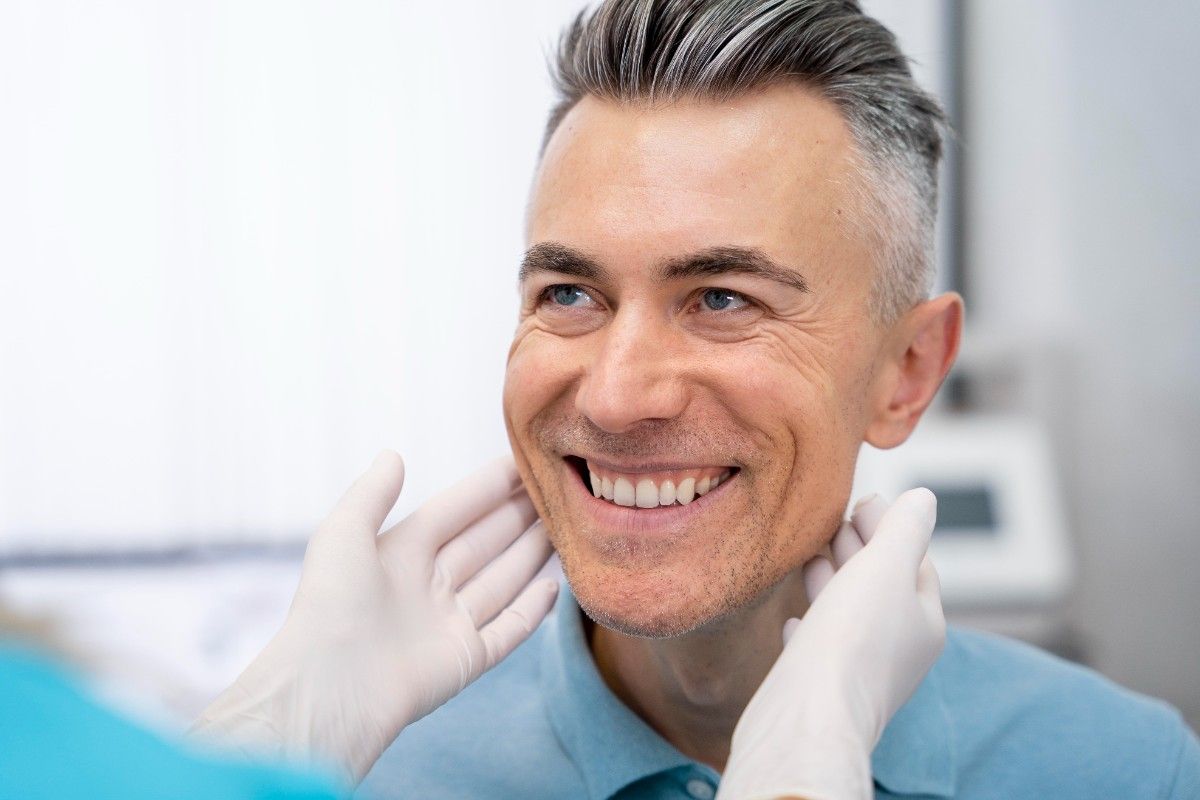
Dental Implants Hemet may be an option for replacing one or more missing teeth after a dental evaluation. Implants are designed to act like artificial tooth roots that support crowns, bridges, or dentures. For patients in Hemet, they may help with chewing, speech, bite support, and long-term tooth replacement planning. Suitability depends on gum health, bone support, medical history, healing ability, oral hygiene, and the condition of nearby teeth.
A missing tooth can affect daily life in small but steady ways. Chewing may feel uneven; food may collect near space, or nearby teeth may slowly move out of position. Some patients in Hemet think about tooth replacement soon after losing a tooth, while others wait until the gap starts affecting comfort or appearance.
Patients searching for Dental Implants Hemet often want to know whether implants are the right choice or whether a bridge, denture, or another option may fit better. Dental implants can be useful in selected cases, but they are not right for everyone. A careful evaluation of the gums, bone, bite, remaining teeth, and health history should guide the decision.
What a Dental Implant Replaces
A dental implant is a small post placed into the jawbone to act like an artificial tooth root. After healing, the implant can support a crown, bridge, or denture. The implant provides support below the gumline, while the restoration replaces the visible tooth or teeth.
This makes implants different from removable dentures or traditional bridges. A bridge may use nearby teeth for support. A removable denture rests partly on the gums. An implant-supported tooth is anchored by the implant after healing.
Implants may replace one tooth, several teeth, or help support larger restorations. The right design depends on how many teeth are missing and what the mouth can safely support.
Why Missing Teeth Should Be Evaluated
A missing tooth can affect more than appearance. Teeth beside the gap may slowly tilt or drift into the open space. The opposing tooth may move because it no longer meets a chewing partner.
Chewing patterns may also change. Patients may begin using one side of the mouth more often, placing extra stress on certain teeth. Food can collect near the gap and irritate the gums.
Replacing missing teeth may help support chewing, speech, tooth position, and bite balance. The best option depends on gum health, bone support, comfort, and long-term maintenance.
Who May Be a Candidate for Dental Implants
Implants need a healthy foundation. This usually means enough jawbone in the missing tooth area, healthy gums, and the ability to heal well after treatment. Patients also need steady daily cleaning habits.
A dentist may review medical history, medications, diabetes control, smoking, grinding, clenching, and gum disease history. These factors do not always rule out implants, but they can affect timing or planning.
Some patients need care before implants can be considered. This may include gum treatment, removal of a damaged tooth, or bone grafting if bone support has changed after tooth loss.
How Crowns Fit into Implant Treatment
Dental Crowns Hemet, CA patients ask about may be used on natural teeth, but crowns can also be part of implant treatment. When one tooth is missing, an implant-supported crown may replace the visible part of that tooth.
The implant works like the root support, while the crown restores the chewing surface and appearance. The crown must be shaped to fit nearby teeth and the bite.
This is why implant planning includes final restoration. The dentist should consider gum shape, bite pressure, tooth position, and cleaning access before recommending treatment.
How Implants Compare with Other Options
Dental implants are not the only way to replace missing teeth. Bridges, partial dentures, full dentures, and implant-supported dentures may also be discussed.
A bridge may be useful when nearby teeth already need crowns or can provide strong support. A partial denture may replace several missing teeth with a removable appliance. A full denture may replace all teeth in an arch.
Implants may offer stability in selected cases, but they require surgery, healing time, and proper bone support. The right option depends on the patient’s oral health and goals.
Why Cosmetic Goals May Be Part of the Conversation
Tooth replacement can affect appearance as well as function. A missing front tooth may change smile balance, while a missing back tooth may affect chewing and bite stability.
A Cosmetic Dentist Hemet discussion may include how the replacement tooth will look beside natural teeth. Shade, shape, gumline, and spacing may all matter, especially in visible areas.
At David D. May, DDS, implant planning may include both functional and appearance-related concerns, so patients can understand how the final restoration may fit into the whole smile.
Everyday Benefits Patients Often Want
Implant-supported teeth may offer practical benefits when the patient is a good candidate, and care is maintained over time.
Dental implants may help with:
- Replacing missing tooth roots
- Supporting crowns, bridges, or dentures
- Improving chewing stability
- Helping maintain space in the bite
- Avoiding removable clasps in some cases
- Supporting a natural-looking restoration
- Planning long-term tooth replacement
- These benefits depend on healing, home care, gum health, bite force, and routine dental visits. No implant results can be guaranteed.
What to Expect During an Implant Consultation
An implant consultation usually starts with questions about missing teeth, chewing concerns, health history, and goals. Your dentist may ask how long the tooth has been missing and whether you have pain, movement, or trouble eating.
The exam may include checking gums, bone levels, remaining teeth, bite, and oral hygiene. X-rays or imaging may be recommended to evaluate the implant site and nearby structures.
After the evaluation, your dentist may explain whether implants are possible, whether another option may fit better, or whether additional care is needed first. Patients should leave with a clearer idea of the stages and choices involved.
Caring for Dental Implants Over Time
Dental implants cannot get cavities, but the gums and bones around them still need care. Plaque buildup can irritate the tissue and may affect long-term support.
Patients may need floss, small brushes, or other cleaning aids to clean around implant restorations. Routine dental visits help monitor gum health, bite pressure, and restoration fit.
If grinding or clenching is present, your dentist may discuss ways to reduce stress on implants and nearby teeth. Maintenance is part of implant care.
Local Patient Review
“I had a missing tooth and wanted to understand whether an implant made sense. The visit helped explain what needed to be checked before deciding.”
A Thoughtful Way to Replace Missing Teeth
Dental implants can be useful when the mouth has the right support, but they should be compared with all suitable tooth replacement options. For patients in Hemet considering implants or other restorative choices, David D. May; DDS can help explain what may fit after a complete evaluation.
Frequently Asked Questions
Are Dental Implants Hemet right for everyone?
No, implants are not right for every patient. Gum health, bone support, healing ability, medical history, and bite pressure must be evaluated first.
How long does dental implant treatment take?
The timeline varies because implants usually need time to heal before the final crown, bridge, or denture is attached. Your dentist can explain the likely stages.
Can implants replace more than one tooth?
Yes, implants may support a single crown, bridge, or denture. The best option depends on how many teeth are missing and available for support.
Are implants better than bridges or dentures?
Implants may offer more stability for some patients, while bridges or dentures may be better for others. The right choice depends on oral health and goals.
Can a crown attach to a dental implant?
Yes, an implant-supported crown can replace the visible part of a missing tooth. The implant supports the crown beneath the gumline.
Can I get implants if my tooth has been missing for years?
Possibly. Bone changes may affect planning, so imaging is needed to check whether the area has enough support.
Do dental implants need special cleaning?
Yes, implant restorations need daily cleaning and regular dental visits. The implant cannot decay, but the surrounding gums and bones need protection.
What if implants are not right for me?
Other options may include bridges, partial dentures, or full dentures. Your dentist can explain which choices fit your oral health.