
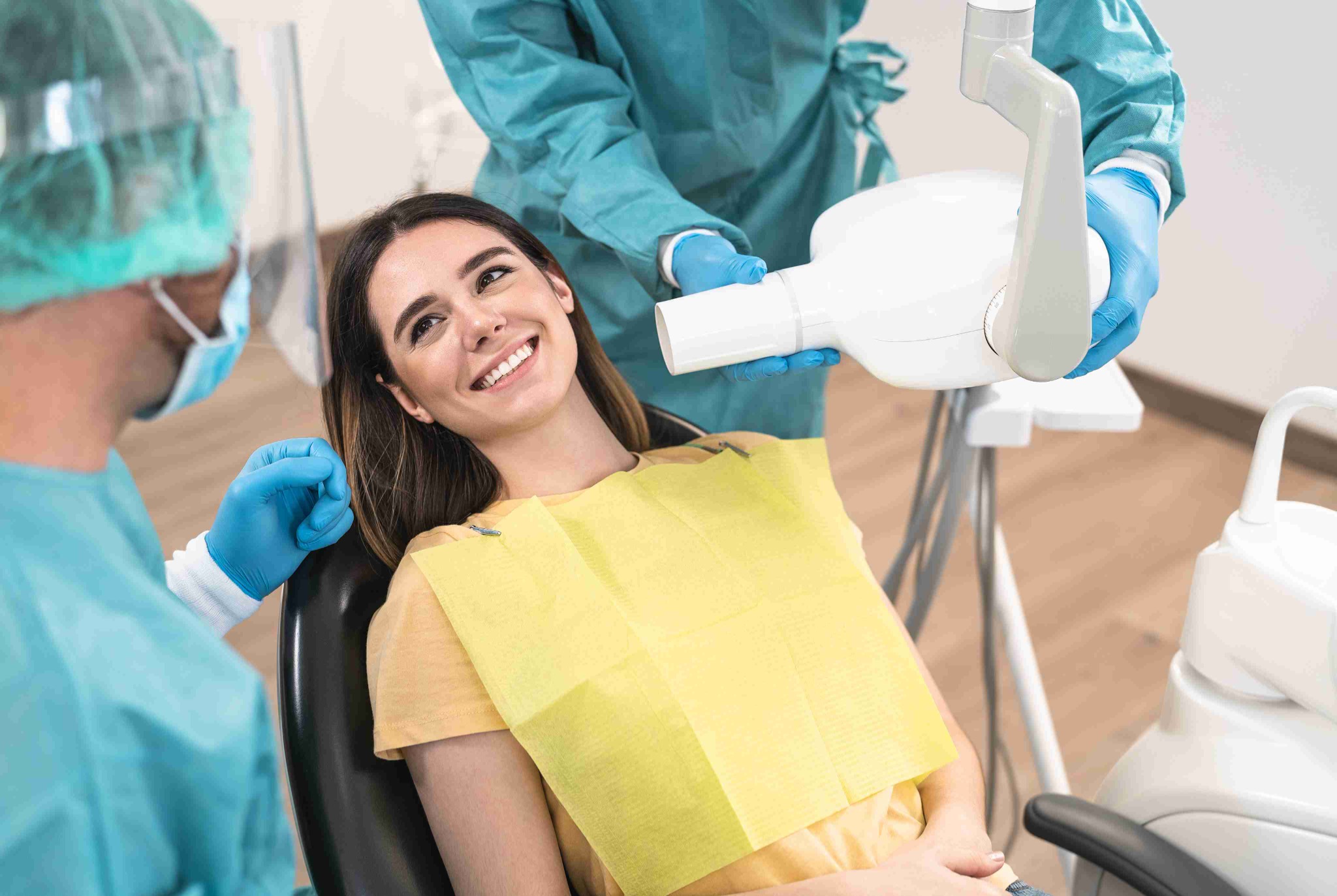
Dental Implants Menifee, CA. Searches often come from patients who want a stable way to replace missing teeth. A dental implant may replace the tooth root and support a crown, bridge, or denture, depending on the number of teeth missing and the patient’s oral health. Menifee patients may need an exam to check gum health, bone support, bite pressure, and overall suitability before deciding between implants, bridges, dentures, or another restorative option.
Living with a missing tooth can change how a person eats, speaks, and smiles. Some patients begin chewing on the opposite side without thinking about it. Others notice that food catches in space or that nearby teeth no longer feel as stable as they once did.
For patients searching for Dental Implants in Menifee, CA, the main concern is often stability. They want to know whether an implant may feel more secure than a removable option and whether it can help protect the mouth over time. That answer depends on the person’s gums, bone support, bite, health history, and the number of teeth that need replacement.
A dental implant may be one option, but it is not the only one. A complete evaluation helps patients understand whether implants, bridges, dentures, or a different treatment plan may better support their needs.
How Dental Implants Replace More Than the Visible Tooth
A natural tooth has two main parts: the crown above the gumline and the root below it. Many tooth replacement options replace the visible part of the tooth. A dental implant is different because it is designed to act as a replacement root.
The implant post is placed in the jawbone, where it may support a crown, bridge, or denture after healing. This support can help create a stable foundation for chewing. For a single missing tooth, an implant may support one crown. For several missing teeth, implants may be used as part of a larger treatment plan.
Menifee patients often ask why root replacement matters. One reason is that the jawbone responds to pressure from the tooth roots. After tooth loss, the bones in that area can change over time. An implant may help provide stimulation to the bone, depending on the case and healing response.
Why Missing Teeth Should Be Evaluated Early
A missing tooth is not only an empty space. Nearby teeth may begin to drift. The opposing tooth may shift toward the gap. Chewing pressure may move to other areas, which can create uneven stress.
Some patients in Menifee wait because the missing tooth is not visible. This can happen with back teeth, especially if chewing still feels possible. Yet back teeth play an important role in grinding food and supporting the bite.
An exam can help determine whether the space is affecting the bite, gums, nearby teeth, or jaw comfort. Even if a patient is not ready for immediate treatment, learning about options can help with planning. Waiting too long may make some cases more complex, especially if teeth shift or bone support changes.
Who May Be Considered for Dental Implants
Dental implant suitability depends on several factors. Healthy gums are important because the gum tissue helps protect the supporting bone. Enough jawbone is also needed to hold the implant. A dentist may also review medical history, medications, smoking, diabetes control, and other factors that can affect healing.
A patient with gum disease may need periodontal care before implant treatment is considered. A patient with bone loss may need more evaluation before a final recommendation is made. Some patients may be better suited for a bridge, partial denture, or another restorative option.
The purpose of this visit is to help patients move from guessing to understanding which options may be realistic. With an exam, X-rays when needed, and a review of the missing tooth area, the dentist can explain what may be possible and what should be addressed first.
Dental Implants Compared with Bridges and Dentures
Dental implants, bridges, and dentures can all replace missing teeth, but they work in different ways. The right choice depends on oral health, number of missing teeth, function, and patient goals.
A dental bridge uses nearby teeth for support. This may be useful when those teeth also need crowns or when implant treatment is not suitable. A partial denture is removable and can replace several missing teeth. A full denture may be used when all teeth in an arch are missing.
An implant-supported tooth may be more stable because it is anchored in the jawbone. In many cases, it does not rely on the neighboring teeth for support. Still, not every patient is a candidate. Menifee patients should receive a clear explanation of each option, including maintenance needs and possible limits.
Everyday Benefits Patients May Notice
Replacing missing teeth can make daily life easier in practical ways. The benefits depend on the treatment used and the patient’s oral health, but implant-supported restorations may help with common concerns.
Patients may notice:
- More stable chewing
- Less shifting than some removable options
- Better support for nearby teeth
- More comfort when speaking or smiling
- Improved ability to chew on both sides
- A replacement that feels more secure during meals
These benefits are not guaranteed for every patient. Healing, bone support, bite force, and daily care all affect the outcome. Still, many patients ask about implants because they want tooth replacement that feels steady during normal use.
What Usually Happens During an Implant Visit
The first appointment is usually focused on evaluation and planning. Your dentist may ask when the tooth was lost, whether the area feels sore, and whether there have been changes in chewing or speech. Health history and medications may also be reviewed.
During the exam, the dentist may check gum health, bone support, neighboring teeth, and the bite. X-rays or other imaging may be recommended to see the jawbone and root areas more clearly. If an implant may be suitable, the dentist can explain the expected steps.
The process often includes planning, implant placement, healing time, and final restoration. The implant usually needs time to bond with the bone before the crown, bridge, or denture is attached. Healing time varies from patient to patient.
After treatment, regular maintenance is still needed. An implant cannot get a cavity, but the gum and bone around it can still become inflamed. Brushing, flossing, and dental checkups help protect the area.
How Gum Health and Bone Support Affect Planning
Gum health and bone support play a large role in implant planning. If the gums are inflamed, the area may not be ready for implant treatment. If the jawbone has changed after tooth loss, the dentist may need to evaluate whether there is enough support.
This is why timing matters. After a tooth is removed or lost, the bone in that area may gradually shrink. Patients who ask about Dental Implants Menifee, CA soon after tooth loss may have more planning options than someone who has waited many years, though each case is different.
Bone support is only one part of the decision. The dentist must also look at the bite. Strong clenching, grinding, or uneven pressure can cause stress on restorations. A good implant plan considers how the replacement tooth will function in the whole mouth.
Caring for Dental Implants Over Time
Dental implants require steady home care. Patients need to clean around the restoration and gumline each day. Depending on the location, your dentist may recommend floss, interdental brushes, water flossing, or another cleaning method.
Routine dental visits help monitor the implant, gums, bites, and surrounding teeth. If inflammation develops around the implant, early attention may help protect the supporting tissue. Patients who grind or clench may need extra guidance to reduce stress on the restoration.
Menifee patients considering implants should think of them as a long-term commitment to care. The restoration may be artificial, but the tissue around it is living and needs protection.
Local Patient Review
“I had questions about replacing a missing tooth and did not know where to begin. The visit helped me understand the difference between my options and what needed to be checked first.”
A Steady Way to Plan Tooth Replacement
Choosing how to replace a missing tooth is easier when the whole mouth is evaluated, not just the open space. Menifee patients can begin with an exam that reviews gum health, bone support, bite balance, and replacement choices. David D. May, DDS can help patients understand whether implants or another option may fit their long-term oral health needs.
Frequently Asked Questions
Are dental implants good for one missing tooth?
Dental implants may be a good option for one missing tooth if the gums and jawbone can support treatment. Your dentist will also check the bite and nearby teeth before recommending care.
How long does the dental implant process take?
The process often takes several months because the implant usually needs time to heal with the jawbone. Timing depends on oral health, healing, and whether other treatment is needed first.
Do dental implants hurt?
Your dentist may use local anesthesia during implant treatment and explain what to expect during healing. Soreness can vary, so patients should follow the aftercare instructions given for their case.
Can dental implants replace several missing teeth?
Yes, implants may sometimes support a bridge or denture when several teeth are missing. The number and placement of implants depend on bone support, bite, and treatment goals.
Are implants better than dentures?
Implants may offer more stability in some cases, while dentures may be more practical for other patients. A dental evaluation can help compare comfort, function, maintenance, and suitability.
What can make someone not ready for dental implants?
Active gum disease, limited bone support, certain health conditions, smoking, or healing concerns may affect timing or suitability. Your dentist may recommend treating those issues first.
How do I clean around a dental implant?
Daily brushing and cleaning between teeth are important. Your dentist may suggest floss, small brushes, or other tools to clean around the gumline and implant restoration.
Should Menifee patients ask about implants soon after tooth loss?
Yes, asking early may help with planning because teeth and bone can change after tooth loss. Even if treatment is not started right away, an exam can explain available options.